Why Hernia Can Return After Surgery: Understanding Risks and Recovery
A hernia develops when an internal organ or tissue pushes through a weakened section of muscle. Surgical repair is widely used to strengthen the affected area, yet medical research shows that a small number of patients may experience Hernia Recurrence After Surgery. Understanding why this happens is an important step in improving recovery outcomes and maintaining long-term abdominal health.
During the healing phase, the body works to repair tissues and rebuild strength in the abdominal wall. This period is crucial because the repaired area remains vulnerable until the surrounding muscles regain stability. Proper hernia surgery recovery involves gradual physical activity, balanced nutrition, and careful attention to medical guidance. Ignoring these recommendations may increase the risk of strain on the surgical site.
One major factor linked to recurrence is abdominal wall weakness. If the surrounding muscles are not strong enough, pressure from everyday movements such as coughing, bending, or lifting objects can place stress on the repaired area. This pressure may lead to reopening of the weakened tissue over time.
Medical professionals often discuss hernia repair complications when evaluating long-term outcomes. Although complications are not common, factors such as infection, improper tissue healing, or mesh issues may affect recovery. Additionally, individuals with certain health conditions may face higher chances of recurrence because their tissues heal more slowly.
Lifestyle habits can also influence hernia recurrence causes. Excess body weight increases pressure within the abdomen, while smoking may interfere with oxygen supply to healing tissues. Heavy lifting during early recovery is another common factor that can place excessive strain on the surgical repair.
Awareness about post-surgery hernia care plays a key role in preventing complications. Gradual return to physical activity, maintaining a healthy weight, and strengthening core muscles are often recommended as part of long-term recovery strategies. These steps help support the repaired tissue and improve muscle stability.
Medical professionals continue to study hernia risk factors to better understand why recurrence occurs in certain individuals. Education about these factors helps patients recognize warning signs and protect their health after surgery.
At Gutcare Clinics (located in Bangalore), discussions about surgical recovery often emphasize patient awareness and long-term care. Dr. Yuvrajsingh Gehlot (colorectal surgeon) highlights the importance of understanding how healing and lifestyle choices influence abdominal strength after surgery.
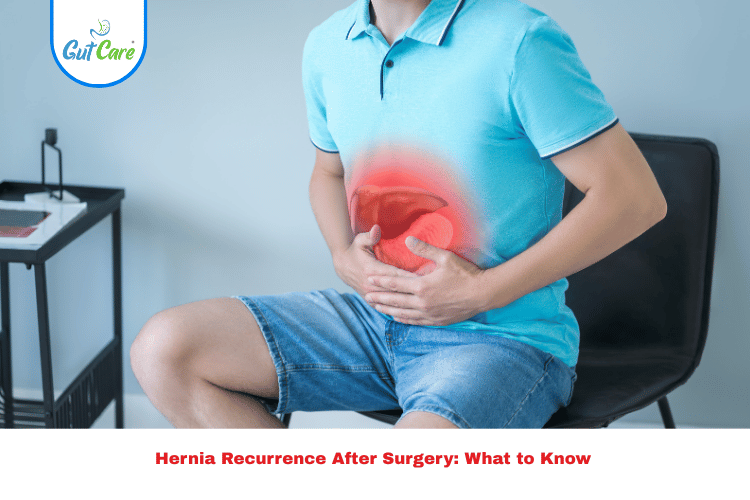
Ultimately, preventing hernia recurrence requires a combination of proper healing, healthy habits, and awareness of physical limits. By understanding these elements, individuals recovering from hernia surgery can make informed choices that support long-term abdominal health.


Comments
Post a Comment