Understanding Anal Fissure Healing: Early Signs and Natural Recovery Approaches
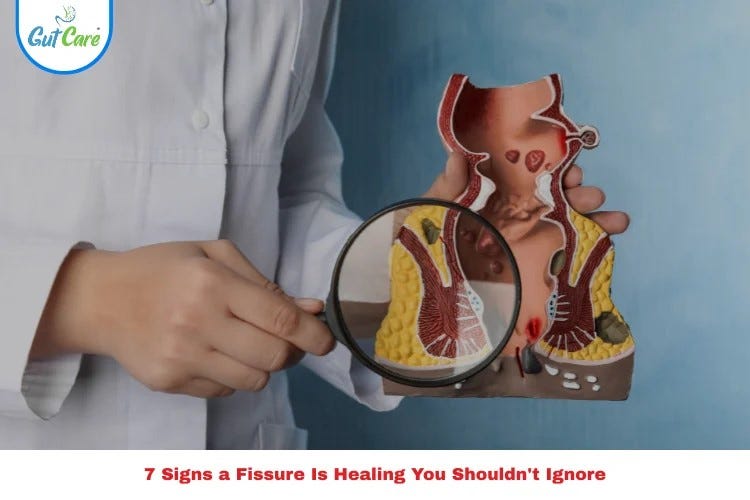
An anal fissure is a small tear in the thin tissue lining the anal canal. It commonly develops when hard or large stools stretch the delicate lining during bowel movements. This condition may cause sharp pain, burning sensations, and sometimes slight bleeding. Although fissures are usually small, the discomfort they produce can affect daily activities and digestive health.
Several factors can contribute to the development of anal fissures. Chronic constipation is one of the most common causes, as repeated straining increases pressure on the anal lining. Other contributing factors may include frequent diarrhea, prolonged sitting, low fiber intake, and dehydration. These conditions can irritate the anal canal and delay healing.
Typical fissure recovery symptoms include pain during bowel movements, itching around the anal area, and mild bleeding. In the early stages, the pain may feel intense, especially immediately after passing stool. However, with proper care and supportive lifestyle changes, the body begins a gradual healing process.
Recognizing early recovery indicators can help people understand whether their condition is improving. One of the first signs a fissure is healing is a noticeable reduction in pain intensity during bowel movements. The burning sensation may gradually decrease, and the bleeding often stops as the tissue begins to repair itself. These healing signs of anal fissure suggest that inflammation is reducing and the tissue lining is regenerating.
The healing process typically occurs in stages. During the initial phase, inflammation reduces as blood flow improves in the affected area. In the next phase, new tissue begins to form over the tear. These anal fissure healing stages may take several weeks depending on the individual’s digestive health and lifestyle habits.
Maintaining good digestive health plays a significant role in fissure recovery care. A fiber-rich diet can soften stools and reduce strain during bowel movements. Foods such as fruits, vegetables, whole grains, and legumes support smoother digestion. Adequate water intake is also essential because hydration helps prevent stool hardening.
Lifestyle habits can also support non surgical fissure treatment. Regular physical activity encourages healthy bowel movements and improves circulation in the digestive tract. Avoiding prolonged sitting and responding promptly to the urge to pass stool can also reduce pressure on the anal canal.
Many individuals explore natural treatment for anal fissure to support recovery. Warm sitz baths, which involve sitting in warm water for several minutes, can relax the anal muscles and improve circulation. These practices may help reduce discomfort and support fissure pain relief methods without invasive procedures.
Stress management is another factor often overlooked in digestive health and fissures. Stress can influence bowel habits and may worsen constipation or irregular digestion. Relaxation techniques such as breathing exercises or gentle yoga may support overall gut health and contribute to smoother recovery.
Healthcare professionals sometimes share educational insights about colorectal conditions to help individuals understand the healing process. At Gutcare Clinics (located in Bangalore), colorectal specialists often discuss lifestyle habits that support digestive health. Dr. Yuvrajsingh Gehlot (colorectal surgeon) has emphasized the importance of early awareness and proper care for conditions affecting the anal canal.
Understanding the body’s natural healing response and making supportive lifestyle adjustments can significantly improve fissure recovery outcomes. With consistent care, many individuals experience gradual relief and improved digestive comfort.


Comments
Post a Comment