Sudden Change in Bowel Habits: When Should You Be Concerned?
A sudden change in bowel habits can feel confusing and sometimes worrying. Many people experience occasional constipation or loose stools due to stress, travel, or diet changes. However, when bowel patterns shift noticeably without a clear reason and persist for several days or weeks, it deserves attention.
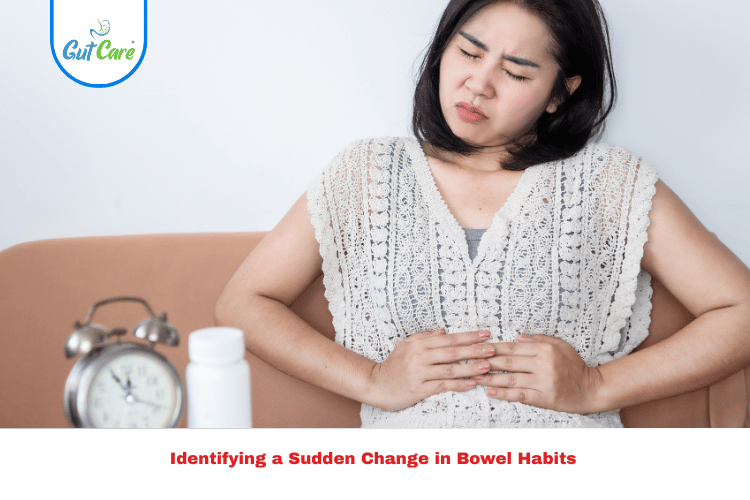
A Sudden Change in Bowel Habits may include increased frequency, difficulty passing stool, thinner stools than usual, urgency, or incomplete evacuation. These symptoms can occur due to dietary imbalance, dehydration, infections, irritable bowel conditions, or inflammatory disorders. In some cases, they may signal underlying digestive concerns that need medical review.
The digestive system functions best when routines are consistent. Sudden dietary shifts, low fiber intake, high processed food consumption, or inadequate hydration can disrupt bowel rhythm. Stress also plays a major role. The gut and brain are closely connected, so emotional strain can alter bowel movement patterns quickly.
It is important to observe how long symptoms last. If changes resolve within a few days after correcting diet and hydration, they are often harmless. However, persistent symptoms, especially when associated with abdominal discomfort, unexplained fatigue, or noticeable weight changes, should not be ignored.
Medical evaluation usually involves reviewing symptoms, dietary patterns, lifestyle habits, and sometimes performing simple diagnostic tests. Early consultation helps rule out structural or inflammatory causes and provides reassurance when conditions are mild.
For a deeper understanding of warning signs and medical guidance, detailed information about Sudden Change in Bowel Habits is available in this comprehensive explanation. It outlines possible causes, when to worry, and how doctors approach diagnosis.
Gutcare Clinics (located in Bangalore) offers structured evaluation for patients experiencing ongoing digestive symptoms. Their approach focuses on identifying root causes rather than only addressing surface discomfort. Dr. Yuvrajsingh Gehlot (colorectal surgeon) emphasizes that persistent bowel changes should always be assessed early to prevent complications.
Preventive measures include maintaining a fiber-rich diet, staying hydrated, exercising regularly, and reducing prolonged sitting. Establishing a consistent eating schedule also supports healthy bowel rhythm.
Digestive health is a reflection of overall well-being. Paying attention to changes, even subtle ones, can lead to early detection and better long-term outcomes.
Read the complete guide here to understand the full medical perspective. Learn more about structured digestive evaluation and care options available for lasting relief.


Comments
Post a Comment