GERD vs Gastritis: Understanding the Key Differences in Digestive Disorders
Digestive discomfort is one of the most common health complaints people experience today. Symptoms such as burning in the chest, stomach pain, nausea, or bloating often lead individuals to search for answers online. However, many people struggle to understand the difference between GERD vs Gastritis because the symptoms can appear very similar. Learning how these conditions differ can help people recognize warning signs earlier and seek the right medical guidance.
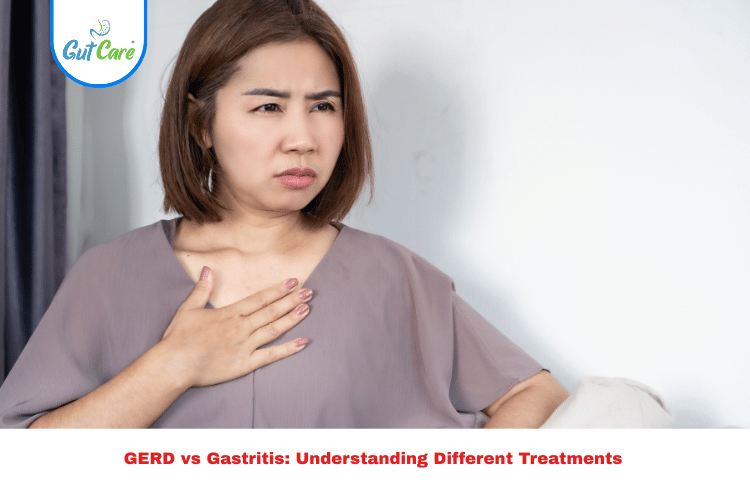
GERD, also known as gastroesophageal reflux disease, occurs when stomach acid repeatedly flows back into the food pipe. This acid reflux irritates the lining of the esophagus and causes symptoms such as heartburn, sour taste in the mouth, and chest discomfort after meals. Gastritis, on the other hand, refers to inflammation of the stomach lining itself. It may develop due to infection, frequent use of certain medications, stress, or unhealthy dietary habits.
Although GERD vs Gastritis may share overlapping symptoms, their underlying causes and treatment approaches can be quite different. GERD primarily affects the lower esophageal sphincter, the valve that prevents stomach contents from flowing upward. When this valve weakens or relaxes inappropriately, acid reflux episodes become more frequent. Gastritis focuses more on irritation or inflammation inside the stomach lining, which may lead to pain, nausea, vomiting, or a burning sensation in the upper abdomen.
Lifestyle factors often contribute to both conditions. Eating large meals late at night, consuming spicy foods, drinking excessive caffeine, smoking, and prolonged stress can aggravate digestive problems. These habits increase acid production or weaken digestive defenses, making symptoms more noticeable. Recognizing these triggers early helps individuals make better dietary and lifestyle adjustments.
Another important difference in GERD vs Gastritis lies in diagnostic evaluation. Doctors may recommend tests such as endoscopy, blood tests, or imaging studies to determine the exact cause of symptoms. Proper diagnosis ensures that treatment is targeted toward the correct condition instead of simply managing symptoms temporarily.
Treatment approaches may include medications that reduce acid production, dietary modifications, and lifestyle improvements. Patients are often advised to eat smaller meals, avoid trigger foods, maintain a healthy body weight, and improve sleep posture. These simple changes can significantly reduce digestive discomfort over time.
Digestive health specialists also emphasize the importance of understanding long-term symptoms rather than ignoring them. Persistent heartburn, stomach pain, or nausea should not be dismissed as routine indigestion. Early evaluation can prevent complications and improve overall digestive health.
Medical guidance also helps differentiate conditions that may appear similar but require different treatments. Learning more about GERD vs Gastritis helps individuals better understand how digestive disorders affect the body and why professional assessment is important.
Gutcare Clinics (located in Bangalore) provides specialized digestive health evaluations for individuals experiencing persistent stomach symptoms. The team focuses on identifying root causes through structured diagnostic methods and personalized treatment approaches.
Dr. Yuvrajsingh Gehlot (colorectal surgeon) highlights that accurate diagnosis plays a crucial role in managing digestive disorders effectively. By understanding symptom patterns and patient history, doctors can determine whether reflux disease, gastritis, or another gastrointestinal condition is responsible for the discomfort.
For readers interested in a deeper explanation of symptoms, causes, and treatment differences, a detailed medical explanation is available within the guide discussing GERD vs Gastritis.
Gutcare Clinics also provides digestive health education, clinical evaluation, and personalized treatment strategies designed to support long-term gut wellness. Learn more about digestive care and professional consultation options available for patients seeking reliable gastrointestinal guidance.


Comments
Post a Comment