Gallbladder Disease: Early Signs and Why Awareness Matters
The gallbladder is a small but essential organ that plays a key role in digestion by storing and releasing bile. This bile helps the body break down fats efficiently. When the gallbladder does not function properly, it may lead to gallbladder disease, a condition that can affect overall digestive balance and comfort.
Early identification of symptoms is important for better health management. Common gallstones symptoms include discomfort in the upper abdomen, nausea, bloating, and a feeling of heaviness after meals. These symptoms are often mild in the beginning and may be overlooked or mistaken for general digestive issues. However, recognizing these early signs can help prevent further complications.
In recent years, there has been a noticeable rise in gallbladder problems in youth. Earlier, these conditions were mostly associated with older individuals, but changing lifestyle patterns have shifted this trend. Increased consumption of processed foods, irregular eating habits, and reduced physical activity contribute to this growing concern. Hormonal changes can also influence the development of gallbladder-related issues.
Developing digestive health awareness is essential in understanding how lifestyle choices impact internal organs. A balanced diet that includes fiber-rich foods, along with proper hydration, supports healthy digestion. Avoiding excessive intake of fatty and processed foods can also help maintain gallbladder health over time.
There are several risk factors for gallstones that individuals should be aware of. These include obesity, rapid weight loss, sedentary lifestyle, and diets high in unhealthy fats. Genetic predisposition and hormonal influences may also contribute. Being aware of these factors helps individuals take preventive measures and make informed lifestyle choices.
If left unmanaged, gallstone complications can develop and affect the normal functioning of the digestive system. These complications may lead to inflammation or blockage, causing increased discomfort. Early awareness and consistent health monitoring can help reduce such risks.
At Gutcare Clinics (located in Bangalore), discussions led by Dr. Yuvrajsingh Gehlot, a colorectal surgeon, highlight the importance of understanding digestive health conditions and recognizing early symptoms. Education about these conditions enables individuals to make better decisions regarding their health.
Maintaining gallbladder health involves simple but consistent habits. Regular physical activity, a balanced diet, and paying attention to body signals can make a significant difference. Small lifestyle adjustments, when followed consistently, contribute to better digestive function and overall well-being.
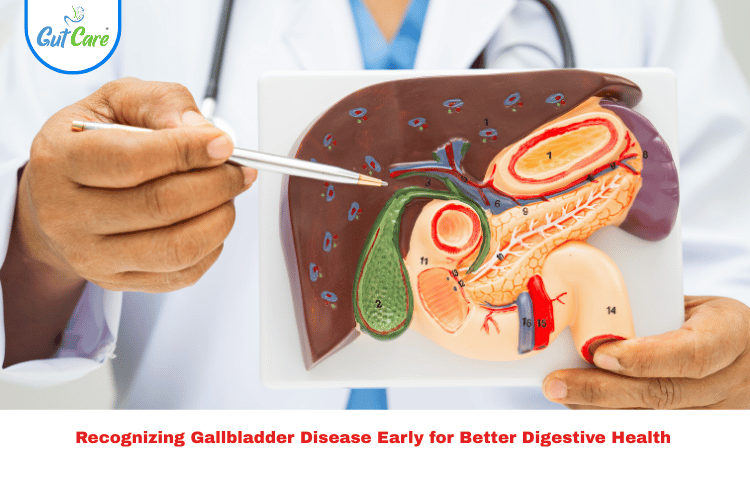
In conclusion, gallbladder disease is not limited to a specific age group and is largely influenced by lifestyle and dietary patterns. By focusing on early signs, understanding risk factors, and improving daily habits, individuals can support their digestive health and reduce potential complications in the future.


Comments
Post a Comment