Fatty Liver Prevention: Protecting Liver and Gallbladder Health Early
Fatty liver disease has become a growing health concern, affecting individuals across different age groups. It occurs when excess fat accumulates in liver cells, often due to unhealthy lifestyle patterns. While it may not show symptoms initially, ignoring early warning signs can lead to serious complications over time. This makes fatty liver prevention an essential aspect of maintaining overall digestive health.
The liver plays a central role in digestion, metabolism, and detoxification. When it becomes overloaded with fat, its ability to function efficiently declines. Factors such as poor diet, obesity, lack of physical activity, and hormonal imbalances significantly contribute to the development of fatty liver. These same factors are also closely linked to gallbladder health, highlighting the interconnected nature of digestive organs.
One of the lesser-discussed aspects of digestive disorders is the increasing incidence of gallbladder problems in youth. Traditionally associated with older adults, these conditions are now being observed in younger individuals due to sedentary lifestyles and high consumption of processed foods. This shift emphasizes the importance of digestive health awareness from an early age.
Gallstones are a common issue related to gallbladder dysfunction. Recognizing gallstones symptoms such as sudden abdominal pain, nausea, bloating, and discomfort after meals can help in early identification. These symptoms are often ignored or mistaken for minor digestive issues, delaying proper management. Understanding the risk factors for gallstones, including obesity, rapid weight loss, poor diet, and genetics, is crucial for prevention.
There is also a strong connection between fatty liver and gallstone formation. When the body struggles to process fats effectively, it can lead to imbalances that affect bile production, increasing the likelihood of gallstone formation. Over time, untreated gallstones can lead to serious gallstone complications such as inflammation, infection, or blockage of bile ducts.
Maintaining gallbladder health is therefore closely tied to liver function. Adopting a balanced diet rich in fiber, healthy fats, and essential nutrients can significantly reduce the burden on both organs. Regular physical activity helps regulate metabolism and prevents fat accumulation in the liver. Additionally, avoiding excessive consumption of alcohol and processed foods can lower the risk of both fatty liver and gallbladder issues.
Medical professionals also emphasize the importance of routine health check-ups for early detection and management. At Gutcare Clinics in Bangalore, insights shared by Dr. Yuvrajsingh Gehlot, a colorectal surgeon, highlight how preventive care and lifestyle awareness play a vital role in reducing digestive disorders. Educating individuals about these risks can lead to better long-term health outcomes.
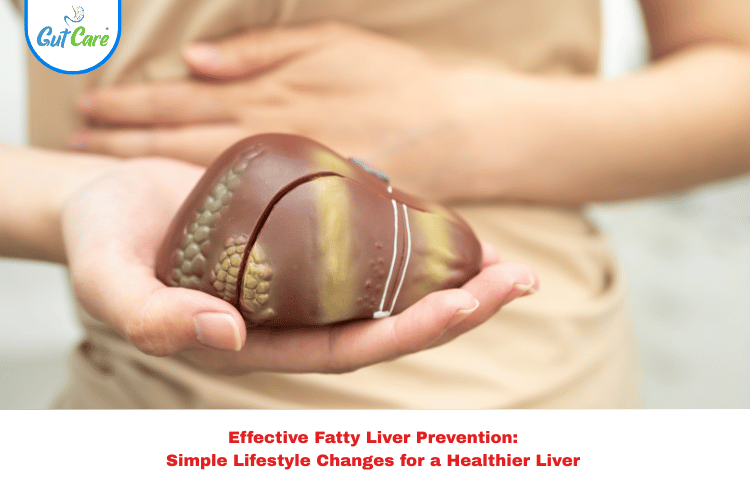
Ultimately, fatty liver disease and gallbladder problems are not isolated conditions. They are deeply connected through lifestyle and metabolic factors. By focusing on preventive measures, individuals can significantly reduce their risk and maintain a healthier digestive system. Small, consistent changes in daily habits can make a substantial difference in overall well-being.


Comments
Post a Comment