Why Constipation Pain in Abdomen Should Not Be Ignored
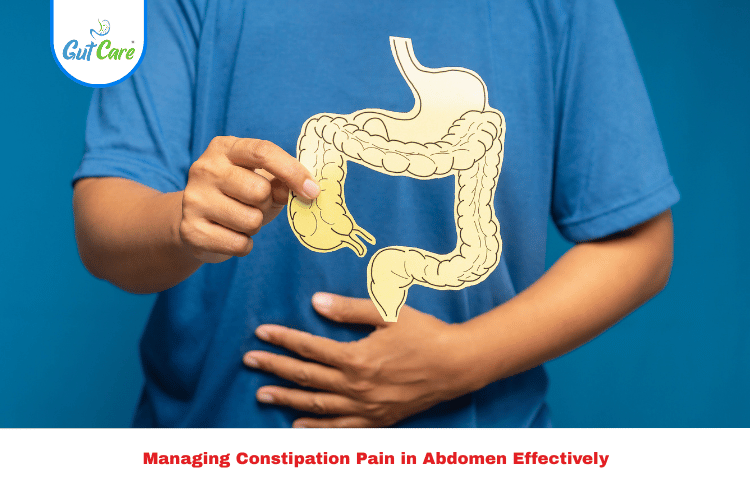
Many people experience occasional constipation, but when it turns into ongoing Constipation Pain in Abdomen, it can become physically exhausting. The discomfort often begins as bloating and slowly progresses into pressure or cramping in the lower stomach. For some, it may feel like tightness that doesn’t ease even after attempting a bowel movement.
Constipation happens when stool moves slowly through the colon. Reduced fiber intake, dehydration, lack of physical activity, and lifestyle stress are common contributors. Over time, retained stool increases internal pressure, leading to abdominal pain and visible bloating.
Warning signs to monitor include:
- Fewer than three bowel movements per week
- Excessive straining
- Hard stools
- Persistent lower abdominal heaviness
- Pain that improves slightly after passing stool
While home remedies such as fiber-rich meals and hydration help many individuals, recurring constipation pain in abdomen should be assessed properly. Ignoring symptoms may delay identification of underlying digestive concerns.
A well-explained medical overview discussing symptoms, causes, and management options is available in this detailed resource on Constipation Pain in Abdomen.
Gutcare Clinics (located in Bangalore) focuses on structured digestive evaluations, offering tailored plans for patients dealing with chronic constipation and abdominal discomfort. The team works closely with individuals to identify root causes rather than just addressing symptoms. Dr. Yuvrajsingh Gehlot (colorectal surgeon) emphasizes minimally invasive evaluation techniques and patient education for sustainable relief.
Understanding digestive health early prevents unnecessary complications. If abdominal pain continues for weeks or interferes with normal activity, professional consultation is recommended.
Read the complete guide here and learn more about safe and informed approaches to managing constipation-related abdominal pain.


Comments
Post a Comment