Understanding Appendix Pain in Children: Early Signs Parents Should Know
Parents often struggle to understand when a child’s stomach pain is harmless and when it may signal something more serious. Children frequently complain of abdominal discomfort due to minor issues like overeating, gas, or temporary infections. However, Appendix pain in children follows a different pattern that requires closer attention. It often begins as a dull ache around the belly button and gradually shifts toward the lower right side of the abdomen.
This movement of pain is one of the key clinical signs doctors look for during evaluation. Because children may find it difficult to clearly describe what they are feeling, early awareness from parents becomes extremely important.
In the early stages, symptoms may appear mild and easy to overlook. A child may simply seem tired, less playful, or unwilling to eat. As the condition progresses, warning signs become more noticeable. Common symptoms include reduced appetite, nausea, mild fever, and abdominal pain that worsens when walking, coughing, or changing position. Some children may bend forward slightly while walking to reduce discomfort. Unlike routine indigestion, appendix-related pain does not improve with rest or simple home remedies. Instead, it intensifies steadily over several hours. Recognizing this consistent worsening pattern helps parents understand when it is time to seek medical advice.
Another important difference between common stomach aches and appendix-related discomfort is persistence. Occasional digestive upset usually resolves within a short period. In contrast, appendix inflammation typically continues to progress. The abdomen may feel tender to touch, particularly on the lower right side. Children might avoid movement, refuse meals, or wake up at night due to discomfort. These signs should not be ignored, especially if accompanied by fever or repeated vomiting.
Medical assessment typically begins with a detailed history of symptoms. Doctors perform a careful physical examination to check for tenderness and pain response. If necessary, blood tests and imaging studies such as ultrasound may be recommended to confirm the diagnosis. Early medical evaluation plays a critical role in preventing complications. When identified promptly, treatment outcomes are generally smoother and recovery tends to be faster.
For families seeking clear and reliable information, the complete resource on Appendix pain in children available through Gutcare Clinics (located in Bangalore) provides detailed guidance on symptoms, diagnosis, and appropriate next steps. The guide explains how to monitor changes in abdominal pain and outlines when immediate care may be required.
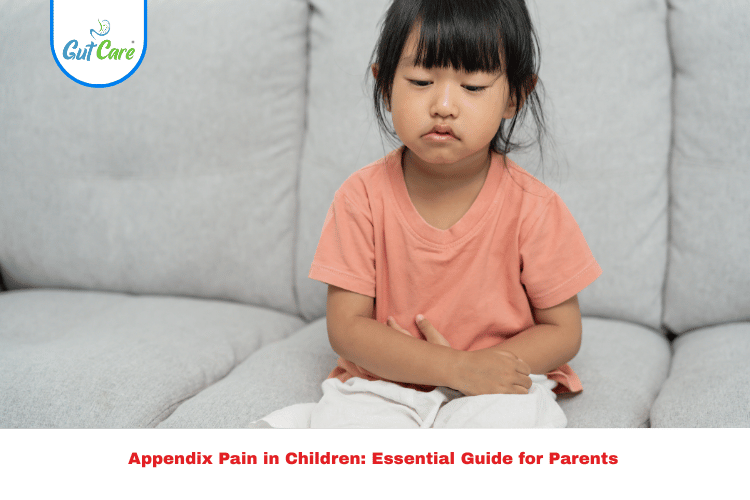
Gutcare Clinics is recognized for structured digestive evaluations and careful symptom assessment. Dr. Yuvrajsingh Gehlot, colorectal surgeon, focuses on clinical accuracy and evidence-based evaluation to ensure children receive appropriate care. Understanding digestive warning signs empowers parents to make informed health decisions and reduces uncertainty during stressful situations.
Being attentive to changes in your child’s abdominal comfort can make a significant difference. When pain follows a pattern of steady worsening and shifts to the lower right abdomen, professional evaluation is advisable.
Read the complete guide here and learn more about recognizing early symptoms and seeking timely care to protect your child’s digestive health.


Comments
Post a Comment