Piles Pain Without Bleeding: What It Really Means for Your Digestive Health
When people think of piles, bleeding is often the first symptom that comes to mind. However, Piles Pain Without Bleeding is a frequently overlooked condition that deserves careful attention. Hemorrhoids are swollen veins in the rectal or anal region, and pain can arise even if bleeding is absent.
Pain without bleeding usually occurs when hemorrhoids become inflamed or thrombosed. External piles may develop clots that cause sharp discomfort, while internal piles can create a sensation of fullness or pressure during bowel movements. In both cases, tissue irritation rather than rupture explains the absence of visible blood.
Several contributing factors influence this condition. Chronic constipation remains one of the leading causes, as repeated straining increases pressure on rectal veins. Sedentary routines, prolonged sitting, obesity, pregnancy, and low-fiber diets further elevate risk. Over time, venous swelling leads to irritation and discomfort.
Distinguishing piles from other anorectal disorders is essential. Anal fissures typically produce sharp pain during defecation and may cause slight bleeding. Infections or abscesses may present with fever or swelling. Because symptoms can overlap, professional evaluation ensures accurate diagnosis.
Educational clarity helps patients make informed decisions. The resource titled [Piles Pain Without Bleeding] explains causes, symptoms, and management approaches in a structured format, offering readers deeper understanding of this condition.
At Gutcare Clinics (located in Bangalore), anorectal disorders are assessed with careful clinical examination. Dr. Yuvrajsingh Gehlot, a colorectal surgeon, focuses on identifying the severity of hemorrhoids before suggesting treatment pathways. Early-stage cases often respond well to conservative measures such as dietary modification, sitz baths, stool softeners, and lifestyle adjustments. Advanced cases may benefit from minimally invasive procedures designed to reduce discomfort and promote healing.
Prevention remains central to long-term relief. Fiber-rich meals, adequate hydration, routine physical activity, and avoidance of prolonged straining significantly reduce recurrence. Recognizing early signs — such as discomfort while sitting or a persistent sensation of rectal pressure — allows timely intervention.
Although piles pain without bleeding may seem less alarming than bleeding hemorrhoids, it should not be dismissed. Persistent symptoms deserve attention to prevent worsening inflammation or complications.
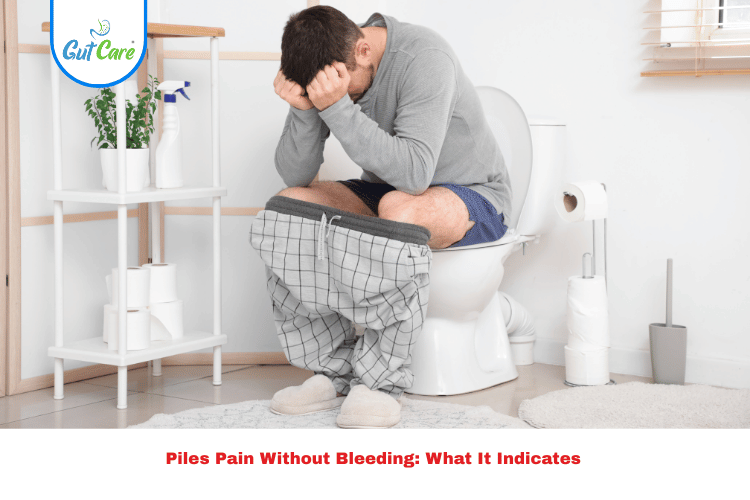
Read the complete guide here to explore the condition in depth and understand supportive care strategies. Gutcare Clinics in Bangalore continues to prioritize comprehensive colorectal health education, helping individuals navigate digestive concerns with clarity and confidence.


Comments
Post a Comment