Endoscopy vs Colonoscopy: Understanding the Key Differences in Digestive Diagnosis
Digestive discomfort, persistent acidity, abdominal pain, or unexplained bowel changes often raise an important question: Endoscopy vs Colonoscopy which test is appropriate? Although both procedures examine the digestive tract, they serve different purposes and evaluate different areas of the body.
An endoscopy is typically used to examine the upper digestive tract, including the esophagus, stomach, and the first part of the small intestine. It helps identify causes of chronic heartburn, ulcers, swallowing difficulties, or upper abdominal pain. A colonoscopy, on the other hand, focuses on the large intestine and rectum. It is commonly recommended for investigating persistent constipation, rectal bleeding, long-term diarrhea, or screening for colorectal concerns.
Understanding Endoscopy vs Colonoscopy becomes easier when we look at symptoms. Upper abdominal discomfort or reflux-related complaints often require an endoscopic evaluation. Lower abdominal pain, blood in stool, or bowel habit changes may lead to a colonoscopy recommendation. The preparation methods also differ. Colonoscopy requires bowel cleansing beforehand, while endoscopy preparation is generally simpler, involving fasting for several hours.
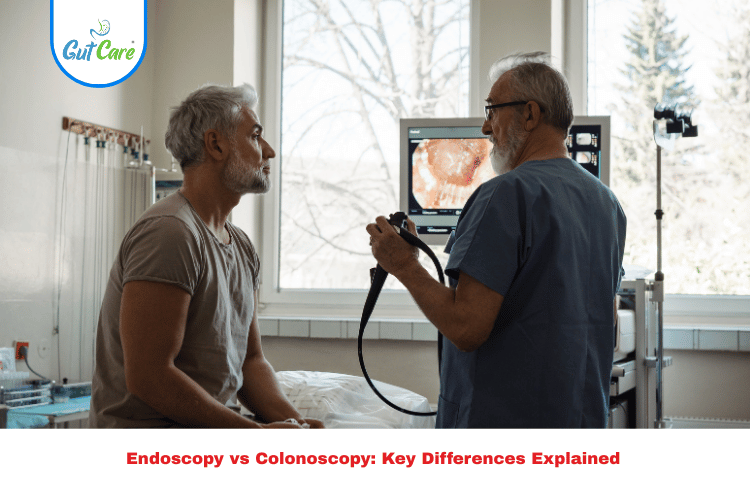
Both procedures are performed using flexible instruments equipped with cameras, allowing specialists to visualize internal structures clearly. They are generally safe, minimally invasive, and conducted under monitored conditions to ensure patient comfort.
For individuals seeking clarity on which diagnostic path may be appropriate, structured guidance is essential. A comprehensive explanation of Endoscopy vs Colonoscopy is available in the detailed resource titled Endoscopy vs Colonoscopy, which explains preparation, recovery expectations, and key differences in a simplified manner.
Gutcare Clinics (located in Bangalore) provides structured evaluation and digestive health guidance under the expertise of Dr. Yuvrajsingh Gehlot, colorectal surgeon. The clinic focuses on careful symptom assessment, patient education, and appropriate diagnostic planning tailored to individual concerns.
Digestive symptoms should never be ignored or self-diagnosed. Understanding diagnostic tools empowers patients to make informed decisions. Clear information reduces anxiety and improves health outcomes through timely action.
Read the complete guide here and learn more about digestive health evaluation and procedural differences.


Comments
Post a Comment